
| 5 minute read |
Gather changed how I see the world, including deserts.
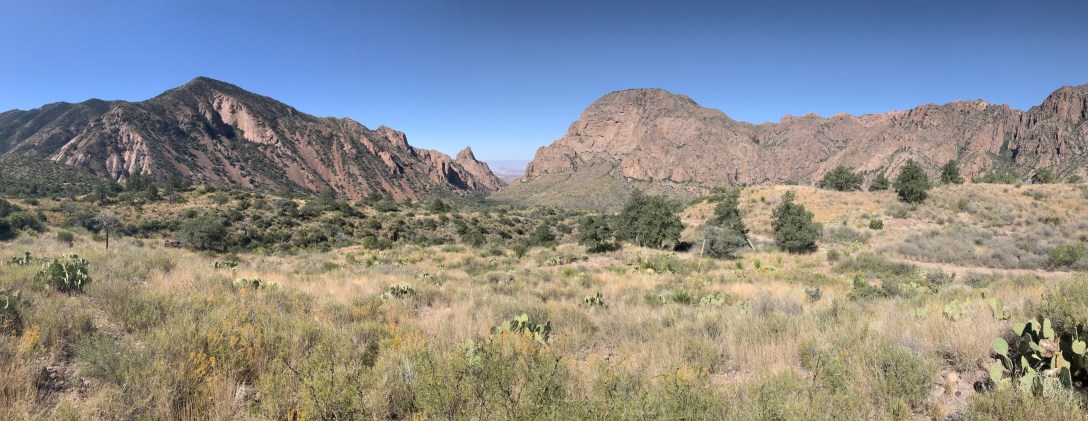
The film follows three people in different Native American nations. In the opening scene, Twila Cassadore, a Master Forager, drives through part of the San Carlos Apache Nation, also known as Arizona. Brush and shrubby trees dot the red-rust landscape. She shows a young girl how to collect seeds. They hunt lizards. Twila teaches her how to show gratitude to the earth.
The desert was full of life.
Within the first two minutes, Twila taught me these environments offer more food and connection than I ever imagined. (Gather is now on Netflix!)
Typically, when we hear the word “desert” in the U.S., we might picture cracked, dry land. Wile E. Coyote chasing the one option for food and losing to cacti. Mirages and heatwaves (although some deserts are cold). It’s a place to avoid getting stuck.
But that’s not the whole picture.
Deserts are not empty. They offer nourishment and a place to reconnect to the earth.
Indigenous cultures have known this for centuries.
Of course, some desert landscapes are more desolate because of the changing climate. Humans have caused these changes through our consumption and habits, taking more than we need and ignoring ecological health.
As Twila said, “This place was [usually] green when I was younger. But look at it now.”
It reminded me of how we see food deserts as desolate places, but they’re much more complex.
We might think food deserts just kind of appear. A new store would fix it, or people should move. But we must look at the complexities of these problems, starting with the language we use.
Food deserts
The term food deserts first appeared in Scotland in the 1990s to describe an “impoverished area with poor access to nutritious foods.”
People living in these areas travel longer distances to grocery stores; over a mile in urban areas and more than 10 miles in rural areas. But they might lack access to a vehicle, public transportation, or living wages to afford fresh foods rather than unhealthy options.
This term is problematic. Malik Yakini, Executive Director of the Detroit Black Community Food Security Network, dissects four of the issues behind it.
- We often imagine deserts as “barren landscapes,” which isn’t true. In both the food world and the environmental landscape, we miss the existing life and potential for growth.
- It suggests we simply need to open more grocery stores, which doesn’t acknowledge affordability nor cultural appropriateness.
- Communities living in a “food desert” don’t typically use this term to describe the problem. Outsiders must listen to people experiencing food access issues and use language they choose.
- Finally, it allows us to ignore the systemic issues designed into the system. Humans have created the food system. We’ve created rules about where to grow, what to grow, how to process, and how to distribute. These rules have white patriarchal supremacy woven into them. Between land ownership, cultural erasure, and enslavement, these rules continue to impact generations of Black, Indigenous and communities of color.
How we talk about these issues impacts how we view the problems and create an equitable food system. So, let’s dissect what we’re saying when we talk about “food deserts.”
Spoiler: We’ll need a rewrite.
Deserts + food access
Remember: food access involves physical access, affordability, and cultural appropriateness.
The term “food deserts” fails to address the complexities of interconnected issues like poverty, hunger, eating behaviors, and health care.
Even the USDA changed the name of its previous “Food Desert Locator” to “Food Access Research Atlas” –the latter seems to offer a more humanizing approach.
Farmer and advocate Karen Washington coined the more accurate phrase “food apartheid,” which questions the social inequalities and challenges people to address these injustices.
It reminds us humans design our foodways. We must dig to the roots if we’re going to pull up the weeds.
Food activist Dara Cooper says “food apartheid” also helps us focus on the specific racial injustices in our food system, including how and where harmful foods are heavily marketed.
Reimagining deserts
Our food system isn’t broken –it’s been designed.
Let’s redesign it.
To do this, we must confront underlying beliefs about our foodways: Do we think these food deserts naturally occurred? Do we blame the people? Do we question the corporations and regulations that impact the community?
While true deserts have great life within them, our language of “food deserts” doesn’t do this justice.
Gather reminds us how white America colonized Native American foodways. Yet, Native American nations continue to push toward food sovereignty amid continuing violence. People outside of these nations would benefit from their knowledge and following their lead, and we can support their mission to create better foodways.
The people in the film remind me to pay attention to our language. What do we mean when we talk about our foodways. What are we missing when we ignore the cultural aspects of our food language?
When we talk about food deserts, we often fail to acknowledge the personal and communal experiences of food.
| The Food Access Language series investigates how we talk about our food. Let’s ask how our words impact our ability to put food on our tables. Unpacking this language reveals how we’ve built our foodways. This reflection helps us take steps toward more accessible food for all. |
 sarahkoth.com