
Recently I scrolled through the 2018 and 2019 picture albums on my phone. Many rectangles from that time show a mix of ocean blues, forest greens, and people cultivating community –and many furry friends pop up, too.
During these years, I shadowed community organizers and farmers to learn more about food justice work, but I gleaned some of the most valuable lessons from young students and other beings in the garden.
I realized that I saw pre-pandemic life in a rose-colored rearview. It was full of loved ones now gone and dreams now pivoting; looking back in grief started to put a kink in my neck.
But I’m learning how to be kind to nostalgia, to mold it into gratitude and visions for the future.
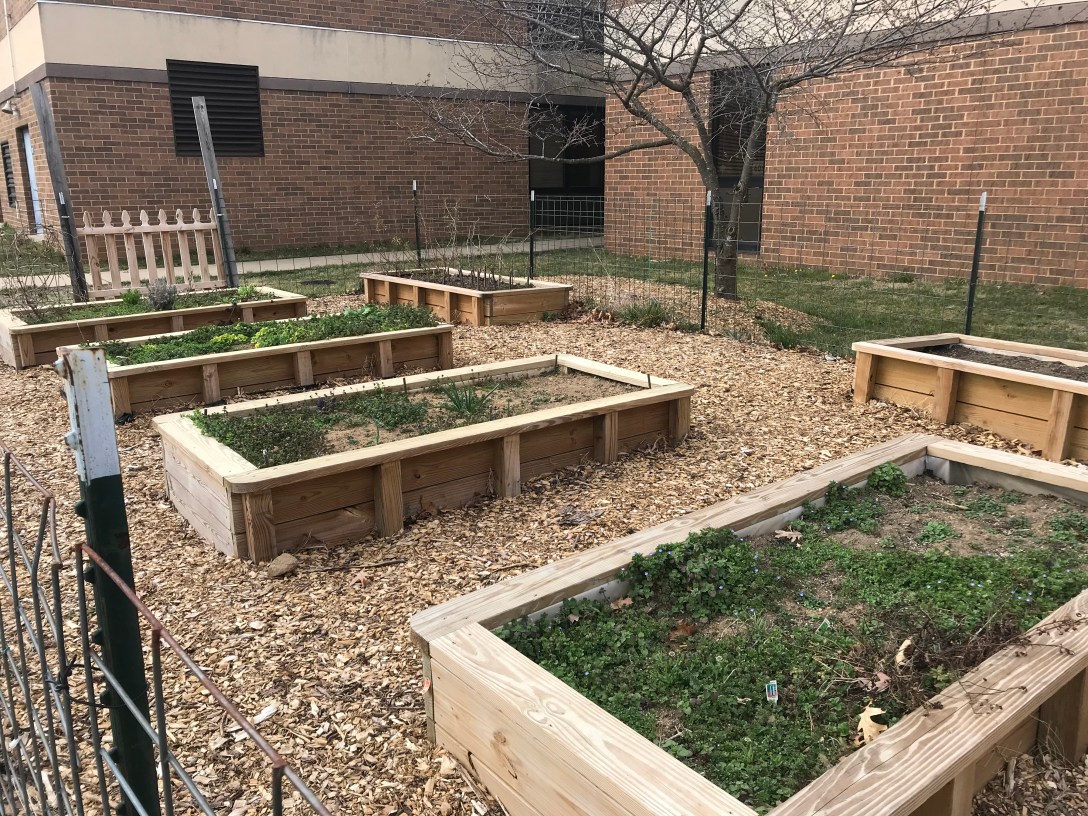
I had taken lots of pictures of people gathered in gardens. Small scale farmers learning about edible landscaping. A volunteer group revitalizing a school garden. Elementary school students touring an educational farm.
We learned outdoors together, and together we learned from the outdoors. For me, those learning techniques have paused, and I’m looking forward to walking into such classrooms again.
Until then, while sitting in a dormant season, I’d like to reflect on the teachings from past gardens.
Seasons change, sometimes more drastically than other years. So goes life and the messy process of storymaking. I didn’t recognize it until I read plant ecologist and writer Robin Wall Kimmerer’s description of storymakers, but the garden teaches us about this process.
I’m learning about storymaking as both a technique and a worldview. We can make stories through writing, speaking, graphics, videography, gardening, farming, and more –the process can be collaborative or done solo, as long as it invites others to participate somehow. We can also move through the world noticing how our stories intersect and interconnect with all other living beings’ stories.
Some pictures from that album remind me that storymaking involves different characters and relationships and love and challenges. This means a lot of learning, which leads to a lot of mistakes.
Which leads to countless decisions on when to press on, show up, say yes, say no, lean in, and rest. Which means repetitions of “I don’t know” or “I was wrong.” And all of this, believe it or not, is okay to say out loud and still be confident in participating.
I missed this lesson at the beginning, and I towed a load of insecurities because of it. I thought my competence equaled my worth, so I needed to know exactly what to do before entering the gate.
But really, participating offers the opportunity to learn.
More often than not, characters invited me into their stories. They unearthed rotted roots in my understanding. They showed me what to toss in the woods, what to toss in the compost pile, and met me with patience when I accidentally dug up their hard work.
Learning shouldn’t equate to a lack of confidence, but rather humility. You have something to learn and something to offer, too. You are wanted in this story; you are invited to be a co-maker. Bring your shovel, bring your gloves, bring your enthusiasm. Bring your story to share and shape.
This marks the start of a series on garden teachings, one that will last as long as we listen.
 sarahkoth.com